บ้าน / ข่าวสารและกิจกรรม / ข่าวอุตสาหกรรม / สิ่งจูงใจด้านพลังงานแสงอาทิตย์ของรัฐโอไฮโอ (2026): การวัดแสงสุทธิ กฎเกณฑ์ด้านภาษี
-
 จัดส่งที่รวดเร็ว
-
 ราคาที่แข่งขันได้
-
 บริการหลังการขายที่ยอดเยี่ยม

รับใบเสนอราคาฟรี
 0
0


ข่าวอุตสาหกรรม
Jan 02,2026
สิ่งจูงใจด้านพลังงานแสงอาทิตย์ของรัฐโอไฮโอ (2026): การวัดแสงสุทธิ กฎเกณฑ์ด้านภาษี
Ohio solar energy incentives in 2026: what you can realistically plan around
When customers ask about Ohio solar energy incentives , they usually want a clear answer to two questions: “What reduces my upfront cost?” and “What improves my long-term payback?” In Ohio, the most dependable levers tend to be utility net metering credits , property-tax treatment (statewide rules plus city abatements), and local programs that reduce soft costs (HOA solar access rules, group-purchase campaigns, and county financing).
A practical planning approach in 2026 is to model savings primarily from on-site energy use and net metering, then treat tax-related benefits as “confirm and document” items with your installer and local auditor. This guide outlines what to verify, what to request in writing, and how to design a system that performs well under Ohio’s tariff realities.
| Incentive type | Who it commonly helps | What to confirm | Why it matters |
|---|---|---|---|
| Net metering bill credits | Most residential and small commercial customers | Credit rate basis, true-up period, rollover rules, interconnection steps | Defines export value and payback sensitivity |
| State property-tax treatment (≤ 250 kW systems) | Many projects under 250 kW nameplate | Eligibility definition, how the county auditor applies it, documentation required | Can prevent assessment increases tied to the solar “fixture” |
| City tax abatements (Cleveland, Cincinnati examples) | Homeowners/builders meeting local program requirements | Program caps, qualification pathway (often “green building” standards), application timing | Can reduce taxes on increased property value for multiple years |
| HOA/condo solar access protections | Homes under HOAs and condominiums | What restrictions remain permissible and the approval process | Reduces project risk and delay costs |
| Group-purchase / local campaigns | Residents in participating jurisdictions | Whether a campaign is active this year and what discounts apply | Can lower price through volume procurement |
Federal tax credit timing: why 2025 documentation still matters in 2026
Even though this article focuses on Ohio solar energy incentives , federal rules can still affect Ohio buyers—especially if your system (or part of it) was installed in 2025 and you are claiming the credit on a 2025 return filed in 2026.
What the 2025 paperwork shows
For 2025 returns, IRS Form 5695 calculates the Residential Clean Energy Credit at 30% of qualified costs for solar electric property, and it also includes qualified battery storage technology when the battery capacity is at least 3 kWh . Keep invoices that clearly break out equipment and installation costs, and retain model/serial documentation for major components such as modules, inverters, and batteries.
Plan conservatively for new 2026 installs
Policy changes can affect availability by tax year. A widely cited summary of the One Big Beautiful Bill Act changes states that the Section 25D Residential Clean Energy Credit expires for expenditures after Dec. 31, 2025 . If you are installing in 2026, model your project as if no federal credit is available unless your tax advisor confirms a specific transitional rule applies.
From a procurement standpoint, good documentation is still valuable even without a tax credit: it supports warranties, commissioning, insurance questions, and future resale disclosures. If you are sourcing equipment directly, ensure your bills of materials include datasheets for PV panels and other major components at the time of purchase.
Net metering in Ohio: how credits are calculated and how to estimate value
For most customer-owned solar projects in Ohio, net metering is the incentive that most directly impacts monthly cash flow. The key is that net metering value depends on your specific utility tariff (investor-owned utility, municipal utility, or cooperative), and credit mechanics can differ meaningfully.
What to confirm before you finalize system size
- Is the export credit based on the full retail rate, the energy (generation) component only, or another avoided-cost method?
- Does the utility true-up monthly, annually, or on a different schedule?
- Do excess credits roll forward, and if so, in what form (kWh bank vs. dollar credit)?
- What interconnection review applies to your system size, and what protection equipment is required?
A practical example using a published Ohio utility approach
Some Ohio utilities describe net metering credits in a way that is closer to “energy-component compensation” than “full retail netting.” For example, AEP Ohio materials describe a method where monthly net export (negative kWh) is multiplied by the generation energy component , and the kWh does not accumulate as a banked total from month to month. The takeaway is simple: if your export credit is lower than your import rate, oversizing a system purely to export power can lengthen payback .
Design levers that improve economics when export value is limited
When export credit is modest, your best “incentive” is often self-consumption—using solar energy behind the meter. Three common design levers are:
- Right-size the array to match daytime loads (or planned loads such as EV charging).
- Add storage to shift midday production to evening usage and to provide backup power where reliability is a priority.
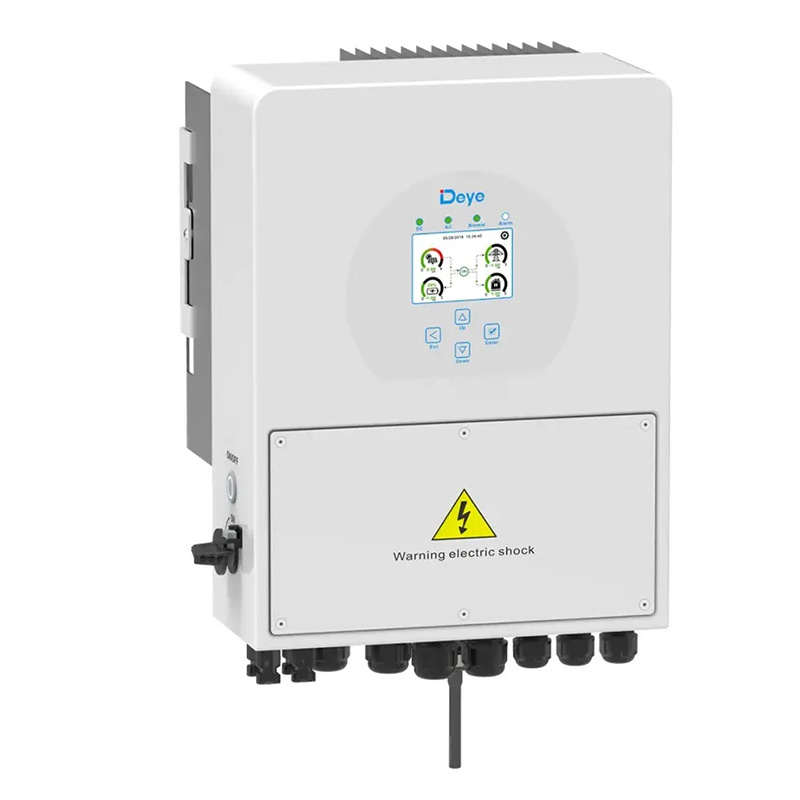
- Choose the right inverter topology (grid-tied vs. hybrid, string vs. microinverter) based on shading, monitoring needs, and interconnection requirements.
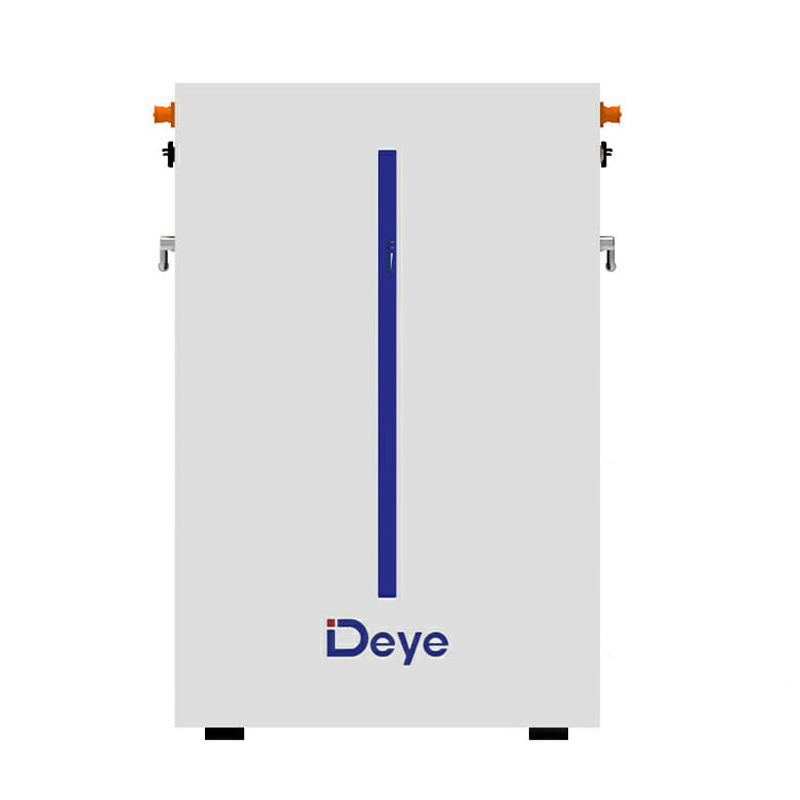
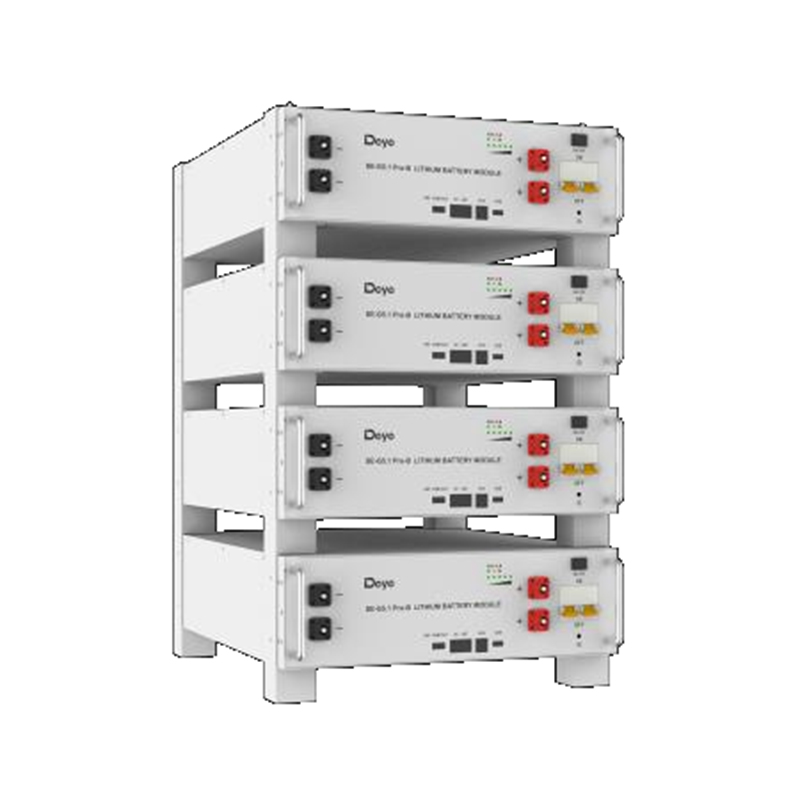
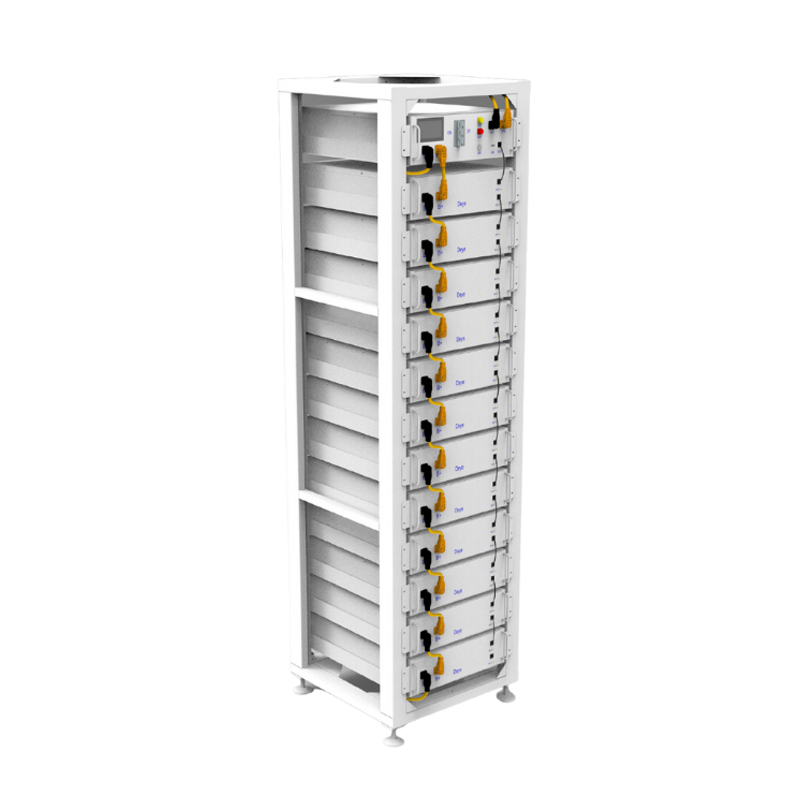
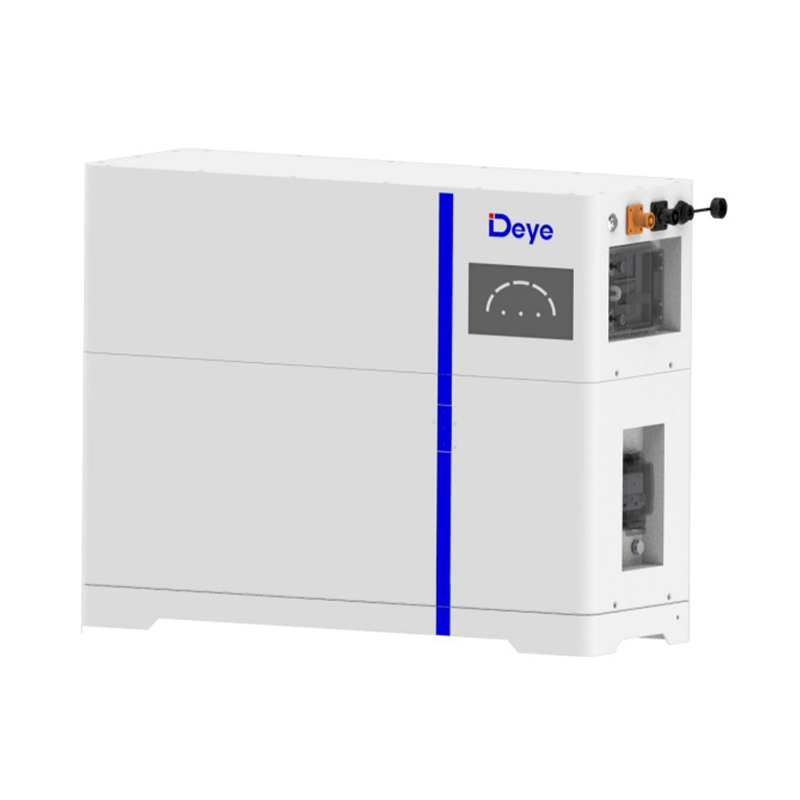
If you expect meaningful evening loads or want outage resilience, pairing solar with a properly integrated solar storage battery can improve both bill savings and customer satisfaction by reducing reliance on exported kWh.
Property tax incentives and abatements: statewide rules plus city programs
Property tax treatment is an often-overlooked part of Ohio solar energy incentives. Two layers matter: statewide rules in the Ohio Revised Code and any local abatements your city offers for qualifying improvements.
Statewide: systems at or below 250 kW
Ohio Revised Code includes an exemption that can apply to many customer-owned systems: it states that any fixture or other real property included in an energy facility with an aggregate nameplate capacity of 250 kW or less is exempt from taxation if construction or installation is completed on or after January 1, 2010 . In practice, you should still confirm with your county auditor how they document eligibility and how the exemption is applied on the assessment record.
Local: Cleveland and Cincinnati examples
Several Ohio cities use tax abatement programs that can indirectly support solar by reducing tax impact from qualifying improvements or green-building upgrades. For Cleveland, the city describes residential tax abatement structures and program administration details, while third-party summaries note that solar can contribute to meeting green-building standards used in such abatements. Cincinnati has similar “green building” abatement pathways described in local incentive summaries.
The practical action item is to treat property-tax benefits as a pre-install confirmation step : ask your installer to identify the exact program and qualification pathway and confirm whether your project needs pre-approval or post-install documentation.
HOA rules and local programs: incentives that reduce friction and total project cost
Not every “incentive” is a rebate or credit. In Ohio, project delays and design rework can be a meaningful cost driver—especially in neighborhoods governed by HOAs or condo associations.
Solar access in HOAs and condominiums
The City of Cincinnati’s solar resource pages highlight that Ohio solar access laws were codified in 2022 for certain HOA and condominium contexts, while noting that HOA declarations can still impose limitations that may require member votes to modify. If you are in an HOA, request the architectural guidelines early and confirm allowable roof zones, setbacks, conduit routing, and appearance requirements before finalizing equipment selection.
Group purchasing and local financing programs
Local group-purchase programs can reduce installed cost through volume procurement. Cincinnati’s “Solarize” materials cite historical volume-discount outcomes of 10–20% savings off typical pricing for participating residents. Separately, statewide solar incentive summaries also reference county-level financing initiatives (for example, programs discussed for Hamilton County). Availability changes by year, so confirm what is currently active in your jurisdiction.
Incentive-aware system design for Ohio: maximize production, minimize soft-cost risk
Once you understand your utility credit rules and local tax treatment, the next step is system design that captures value reliably—especially when export credits may be limited. In Ohio, performance and durability must account for seasonal variability, snow load, wind exposure, and partial shading in residential neighborhoods.
Module selection: prioritize energy yield per square foot
If roof area is constrained, higher-wattage modules can reduce balance-of-system complexity per kW installed. As a supplier, we see many projects choose modules by both form factor and appearance (for example, full-black aesthetics) and by application (standard, bifacial, or flexible). A practical procurement approach is to shortlist two or three module classes, then let the installer choose the best match once structural layout and code setbacks are final. You can view typical module categories and wattage ranges we stock on our PV panel page.
Mounting and racking: reduce rework by designing for loads and roof type
Racking is not just a hardware line item; it is a permitting and risk-management decision. Selecting the correct mounting approach (metal roof, tilt roof, flat roof, or ground mount) early can prevent change orders and schedule slips. Our solar panel racking offerings cover common roof and ground mounting categories, and the right solution should be selected based on roof structure, wind load requirements, and installer workflow.
Storage: target bill savings and resilience, not just export avoidance
If your tariff provides limited export value, storage can shift energy into higher-value hours. From a system integration perspective, many modern storage products include Battery Management System (BMS) functions designed for stable long-term operation and monitoring. When evaluating a solar storage battery , ensure the inverter and battery are compatible (communications, voltage class, and certifications) and that your installer has a clear commissioning plan.
Documentation checklist to claim incentives and avoid costly disputes
Whether you are pursuing Ohio solar energy incentives through net metering and local abatements—or you are filing a 2025 federal credit in 2026—documentation quality determines whether benefits are realized smoothly.
Keep these items in a single project folder
- Signed contract and full invoice set, including any change orders.
- Equipment list with model numbers, nameplate ratings (kW), and serial numbers.
- Permit approvals, inspection sign-off, and as-built electrical one-line diagram.
- Utility interconnection approval, net metering enrollment confirmation, and the tariff sheet in effect at approval.
- If pursuing abatement: the city/county application packet, eligibility proof, and confirmation of approval timing requirements.
If you purchase components directly (for example, modules, inverters, batteries, or racking), ensure product documentation is saved at purchase time. This is especially important for warranty claims years later.
Common mistakes that reduce Ohio solar savings
Most underperforming projects do not fail because solar “doesn’t work.” They fail because the project was sized and contracted without aligning incentives, tariffs, and site constraints. Watch for these common issues:
- Assuming export credits equal your retail rate without reading the tariff or utility guidance.
- Missing pre-approval requirements for city abatements or HOA architectural review, leading to redesign and re-permitting.
- Choosing components before the roof layout is final , which can increase racking and wiring complexity.
- Underestimating winter performance variability and snow shading, which can affect savings projections.
- Not treating documentation as a deliverable , which complicates net metering enrollment, warranty claims, and any tax filing.
Conclusion: a practical next-step plan for Ohio solar buyers
The most bankable Ohio solar energy incentives in 2026 are typically the ones tied to your utility bill and your local property-tax treatment. Start by getting your utility’s net metering tariff in writing, confirm how your county auditor applies the 250 kW property-tax rule, and then check whether your city offers an abatement pathway that fits your project.
From an equipment perspective, incentive-aware design usually means prioritizing reliable production, minimizing rework risk, and improving self-consumption when export value is limited. If you need a stable supply of core components—modules, storage, and mounting solutions—our catalog pages can help you compare options and select the right technical fit: PV panels , solar storage batteries , and solar panel racking .
Finally, build your project model conservatively: treat incentives as “verified savings,” not assumptions, and require documentation as part of your closeout package. That is the most dependable way to keep payback on track regardless of policy changes.
สิ่งจูงใจด้านพลังงานแสงอาทิตย์ของรัฐอิลลินอยส์: RECs, ส่วนลดและการวัดแสงสุทธิ (2026)
ข้อเสียของพลังงานแสงอาทิตย์แบบพาสซีฟ: ขีดจำกัดและการแก้ไขในทางปฏิบัติ
สินค้าที่เกี่ยวข้อง


โซลูชั่น
ข้อมูลติดต่อ.
 +31610999937
 [email protected]
 De Werf 11, 2544 EH กรุงเฮก เนเธอร์แลนด์
คิวอาร์โค้ด
ลิขสิทธิ์ © 2023 ยูนิ ซี อินเตอร์เนชั่นแนล บี.วี. VAT: NL864303440B01 สงวนลิขสิทธิ์
